

Modular MEP Solutions
BOTHX MEP Module Solutions applies standardized and modular design to shift critical MEP systems from on-site construction to factory-based prefabrication, integration, and testing—improving delivery certainty and execution efficiency.
What Is a Modular MEP?
BOTHX MEP Module Integration applies standardized and modular design to shift critical MEP systems from on-site construction to factory-based prefabrication, integration, and testing—improving delivery certainty and execution efficiency.
The solution covers key module types including:
- Power Plants
- HVAC Plants
- Pure Water and Waste Water Systems
- Compressed Air Systems
- Specialty Gas Systems
- Utility Corridors
Modules are delivered as system units and can be independently deployed outdoors or on rooftops, enabling parallel execution with main building works.
With industrialized manufacturing and standardized interfaces, BOTHX shortens project schedules, reduces site risk, and provides a scalable and repeatable MEP delivery model for future expansion.
Why Modular Modular MEP?

Faster Time to Operation

Consistent Quality & Performance

Reduced On-Site Risk

Scalable & Expandable Design

Regulatory & Compliance Readiness

Optimized Lifecycle Cost
Power Plant Module
Provides power distribution and integrates critical energy systems for plants and production lines. Modular design enables prefabrication and testing, ensuring stable operations and reducing on-site construction time.
HVAC Plant Module
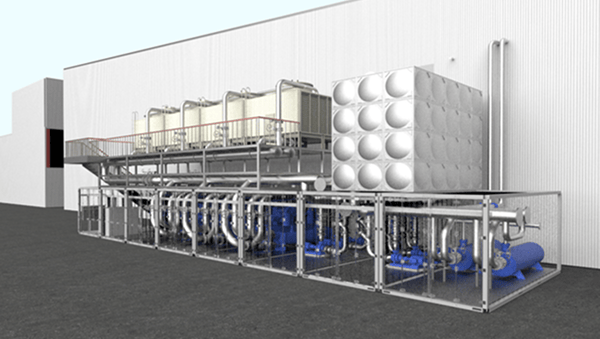
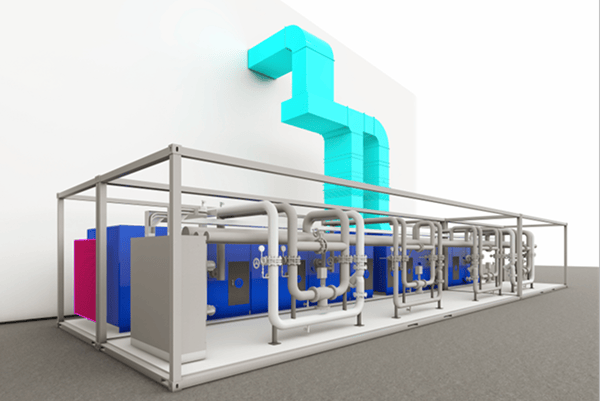
Integrates heating, ventilation, and air conditioning (HVAC) systems to maintain required temperature, humidity, and air quality in cleanrooms and production areas, while allowing parallel installation with the main building.
Pure & Waste Water System Module
Delivers purified water, wastewater treatment, and process water management. Prefabricated modular design improves system stability and facilitates maintenance.

Compressed Air System Module
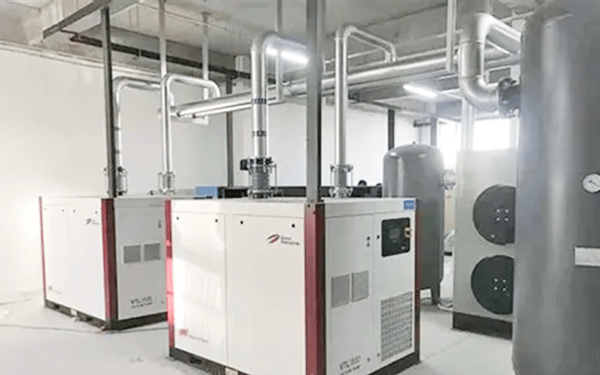
Integrates compressed air supply and distribution systems to reliably serve production and process equipment. Modular delivery reduces on-site commissioning effort.
Specialty Gas System Module
Provides safe supply and management of critical process gases for precision manufacturing. Modular approach accelerates system integration and commissioning.


Utility Corridor Module
Hosts electrical, piping, and cable tray infrastructure, optimizing plant layout, facilitating maintenance and future expansion, while reducing construction risk.


